

|
Getting your Trinity Audio player ready...
|
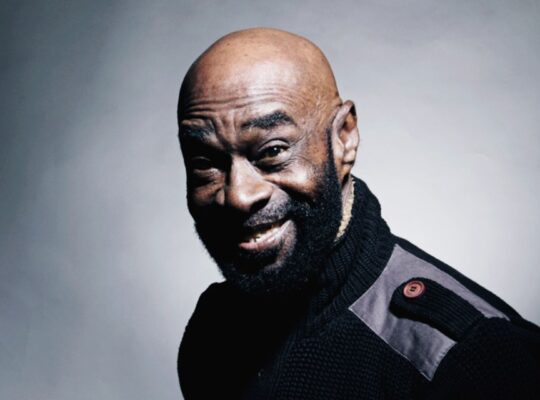
Veteran gospel musician Noble Nketsiah has stirred fresh conversation within Ghana’s gospel music circles after raising concerns about what he describes as an unhealthy culture of influence and gatekeeping in the industry.
According to the celebrated singer, certain groups appear to operate as though they hold exclusive rights to determine who succeeds, who gets visibility, and whose voice matters. His comments have reignited a long-standing discussion about power dynamics behind the microphones, stages, and award platforms that shape the gospel music landscape.
Nketsiah’s observations paint a picture familiar to many creative industries: clusters of influential players forming camps, building alliances, and sometimes behaving as if progress requires their blessing before it can happen. While he stopped short of naming names, the message was clear enough to get industry watchers talking.
The gospel icon suggested that such attitudes create unnecessary divisions and distract from the larger mission of promoting faith-inspired music. In his view, the industry functions best when artists, producers, promoters, and stakeholders work together rather than competing for control.
To illustrate his point, Nketsiah compared the industry to a football team. No match is won because one player monopolizes the ball. Victory comes when every player understands their role and contributes toward a common objective. The same principle, he argued, should apply to gospel music.
His remarks raise an uncomfortable but important question: Is Ghana’s gospel music industry nurturing collective growth, or is it becoming a battleground of influence and exclusivity?
Supporters of Nketsiah’s position believe his comments expose a reality many artists have quietly experienced for years. Critics, however, argue that competition, alliances, and disagreements are natural features of every creative sector and should not automatically be viewed as evidence of organized gatekeeping.
Whatever side of the debate one occupies, Nketsiah’s intervention has succeeded in achieving one thing: it has forced the conversation into the open.
Perhaps the bigger lesson is that no individual, clique, or institution owns an industry built on talent, creativity, and public support. If Ghanaian gospel music is to continue expanding its local and international reach, collaboration may prove more valuable than control, and unity more profitable than rivalry.
For now, the discussion continues—and many within the industry will be watching closely to see whether this becomes another passing controversy or the beginning of a deeper examination of how the gospel music ecosystem truly operates.