
|
Getting your Trinity Audio player ready...
|
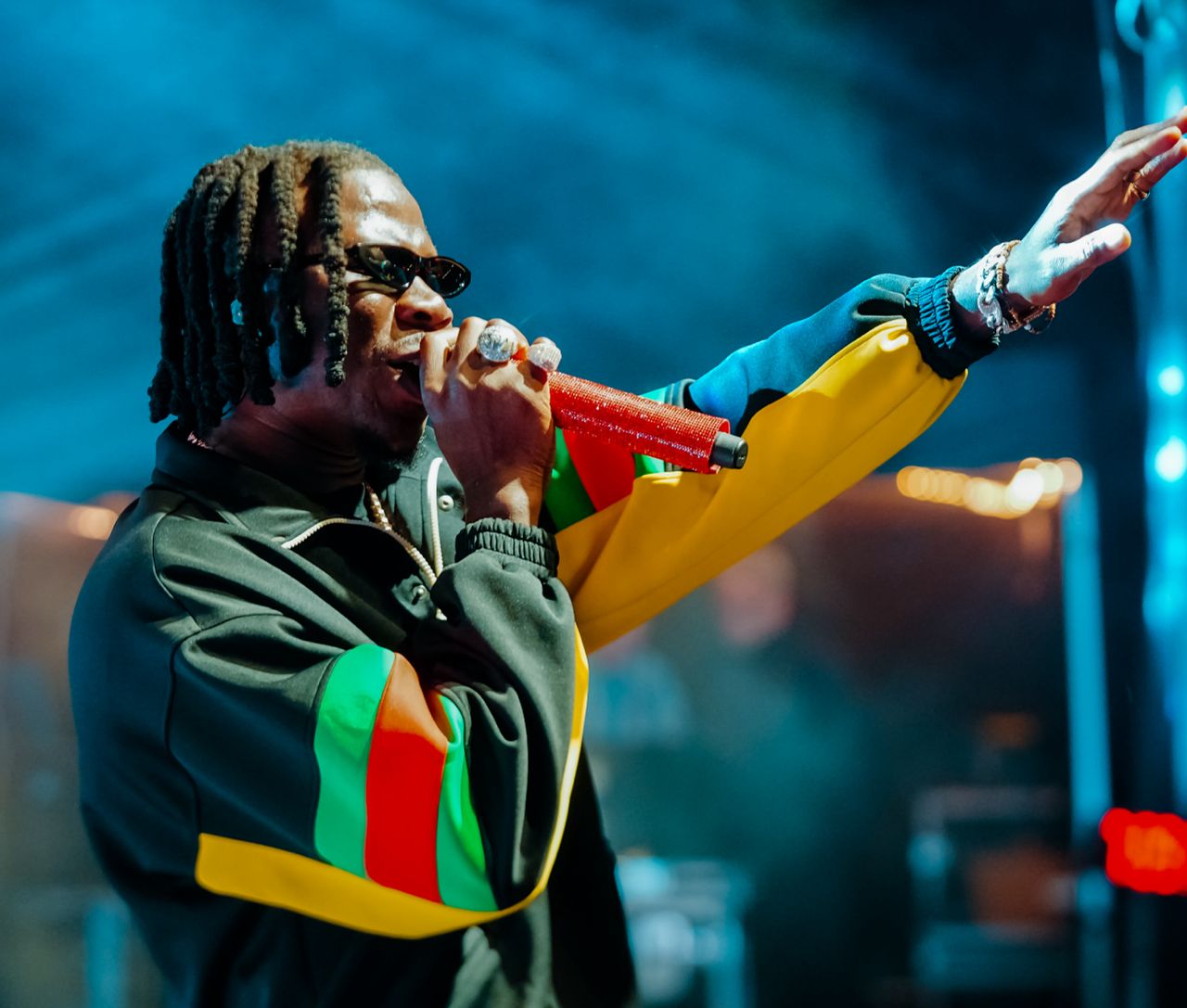
Ghanaian global music powerhouse Stonebwoy has officially added another landmark achievement to his career, becoming the first Ghanaian artist to headline a sold-out concert at London’s iconic OVO Arena Wembley.
On Saturday, August 15, the 12,500-capacity venue was transformed into a spectacular celebration of Ghanaian music, heritage and identity as Stonebwoy brought his acclaimed BHIM Festival to international soil for the first time.
And this was no ordinary concert.
It was Ghana on export.
A New Chapter for Afro-Dancehall
For decades, conversations about Ghanaian music have understandably celebrated the evolution of Highlife, Hiplife and, more recently, Afrobeats. But one sound has steadily carved out its own global territory: Afro-Dancehall.
Stonebwoy, one of the genre’s most influential pioneers, used the Wembley stage to make a compelling statement about its place in Ghana’s musical identity and the wider global music ecosystem.
The message was clear: Afro-Dancehall is not merely a genre sitting on the sidelines of Ghana’s musical story. It is part of the country’s contemporary cultural fingerprint—and Stonebwoy is determined to take it to the world.
More Than Music—A Cultural Export
BHIM Festival London was designed as far more than a night of performances. It was a carefully constructed cultural showcase, bringing Ghanaian history, symbolism and creativity into one of London’s most recognisable entertainment venues.
The stage design drew inspiration from Accra’s historic Black Star Square, creating an unmistakable visual connection between Ghana and the diaspora.
Large screens paid tribute to legendary figures of Ghanaian Highlife, celebrating the pioneers whose music laid the foundations for generations to come.
Every detail appeared intentional: a reminder that while Ghanaian artists may perform thousands of miles from home, the culture travels with them.
“The Show Has Already Been Played”
Speaking to JoyNews ahead of the concert from his rehearsal studio, Stonebwoy emphasised the importance of preparation and discipline.
For the “1GAD” hitmaker, a great performance is not created when the lights go on—it is created long before the audience arrives.
“Every true musician knows that the show’s already played [during rehearsals]. We’re just coming to present it on the day,” he remarked.
And on the night, that preparation was evident.
A Pan-African Musical Showcase
The audience was treated to a star-studded lineup that stretched across generations, genres and borders.
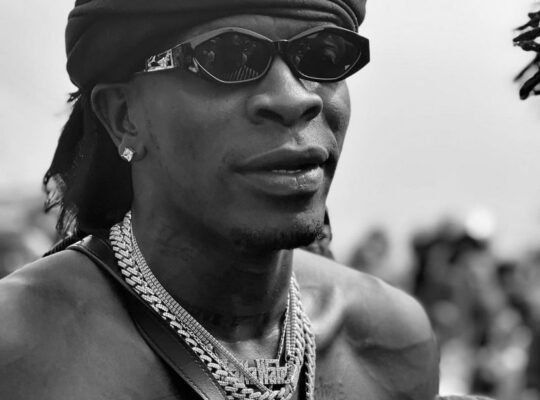
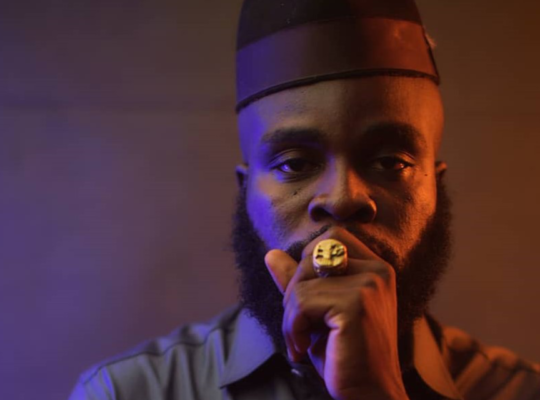
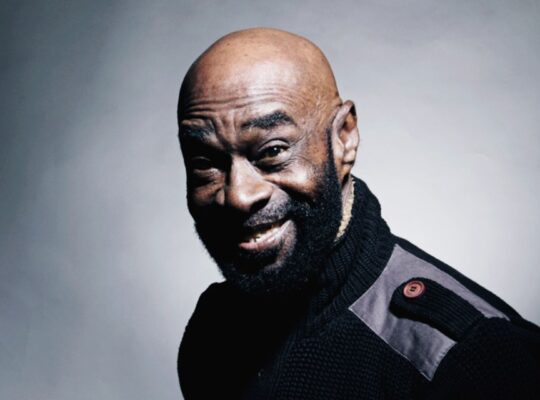
Ghanaian legends Samini, Kwabena Kwabena and Ofori Amponsah brought generations of Ghanaian musical history to the Wembley stage, creating a powerful bridge between the country’s influential past and its increasingly global present.
DopeNation delivered a fusion of classic Ghanaian flavour and contemporary energy, while Nigerian superstar Mr P injected unmistakable Afrobeats fire into the evening.
The lineup also featured Tiwa Savage, Tanzanian sensation Juma Jux, whose smooth East African sound added another dimension to the festival, and Jamaican dancehall star Stylo G, who brought Caribbean energy to the celebration.
Together, the artists reinforced BHIM Festival’s growing identity as a pan-African platform, proving that African music can occupy one stage without losing the individuality of its many cultures and sounds.
Wembley Turns Black, Gold, Red and Green
Inside the packed 12,500-capacity arena, the atmosphere was electric.
For many attendees, however, the significance of the night extended beyond the music.
It was about seeing Ghanaian identity represented boldly on one of London’s biggest stages.
One attendee described the moment as a milestone for Ghana’s creative industry, saying Stonebwoy was not simply performing in London but actively exporting Ghanaian culture and creating a blueprint for the next generation of African artists.
Another patron captured the emotional weight of the occasion, particularly the recreation of Black Star Square inside Wembley.
The message resonated: home can be thousands of miles away and still feel incredibly close.
Stonebwoy’s Bigger Mission
Call it destiny. Call it purpose. Call it the reward for years of relentless work.
Or simply call it Stonebwoy.
Whatever name one chooses, the significance of BHIM Festival London is difficult to ignore.
By taking the festival beyond Ghana and filling the OVO Arena Wembley, Stonebwoy has strengthened his credentials not only as a global music star but also as a cultural ambassador for Ghana and Africa.
The night was a celebration of music, but it was also a declaration of identity.
Ghana had arrived at Wembley—and Stonebwoy made sure the world was listening.