

|
Getting your Trinity Audio player ready...
|
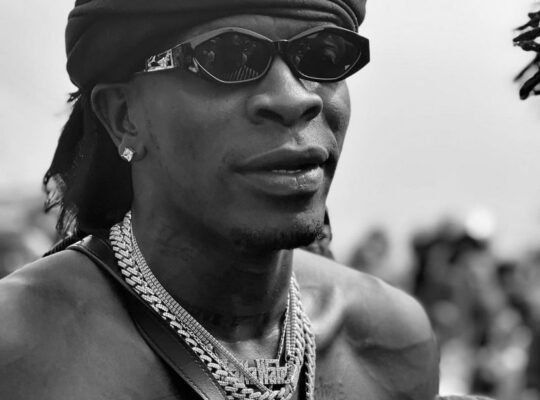
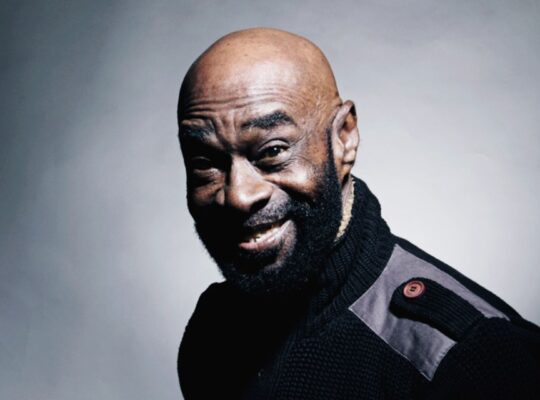
A fresh debate over music royalties in Ghana has taken a sharp turn after Ghana Music Rights Organisation (GHAMRO) executive Rex Omar responded to complaints by singer Mr Drew about the returns musicians receive from their copyrighted works.
During an interview on Okay FM, Rex Omar was asked about Mr Drew’s concerns regarding royalty payments. His response was blunt, setting the tone for a discussion that quickly shifted towards artists’ responsibilities in registering their works and assigning their rights.
“I have never heard his name before,” Rex Omar reportedly said, before explaining why musicians must fulfil the necessary administrative requirements if they expect to benefit from GHAMRO’s royalty collection system.
Rex Omar Uses Car Insurance to Explain Music Royalties
To drive home his point, the veteran highlife musician compared the process of collecting royalties to purchasing car insurance.
He argued that a driver who fails to obtain insurance cannot reasonably expect compensation after an accident. In the same way, he suggested, musicians who fail to complete the required registration and documentation should not automatically expect royalty payments.
“It is like buying a car without registering for insurance and then, when you are involved in an accident, complaining that you have not received any insurance benefits since you bought the car,” he explained.
Rex Omar’s analogy placed the spotlight on the administrative side of the music business, an area that can determine whether creators’ works are properly documented and their royalties collected.
Has Mr Drew Completed the Necessary Paperwork?
The GHAMRO executive raised questions about whether musicians who complain about unpaid royalties have completed the required procedures to access the organisation’s services.
Among the issues he highlighted were whether an artist had registered as a GHAMRO member and formally submitted the necessary documentation concerning their musical works and rights.
According to Rex Omar, musicians must take these steps rather than assume that releasing music automatically guarantees royalty payments.
“If you are a musician and you do not do the right thing, do not expect anything from GHAMRO,” he warned.
However, the questions raised during the interview do not, on their own, establish whether Mr Drew has registered with GHAMRO, submitted his works or fulfilled the relevant requirements. His specific registration status would need to be confirmed before drawing conclusions about his royalty situation.
The Bigger Question About Royalties in Ghana
The exchange highlights a longstanding concern within Ghana’s music industry: how artists can ensure they are properly registered, how their works are tracked and how royalties generated by their music are collected and distributed.
While registration and accurate documentation are important parts of royalty administration, questions about payment also require transparency regarding how music usage is monitored, how royalties are calculated and how distributions are handled.
Rex Omar’s comments have therefore brought attention to both sides of the process: the responsibilities of musicians and the role of royalty administrators in ensuring that eligible creators receive the money due to them.
Whether the disagreement leads to further exchanges between the two musicians or prompts broader discussion about royalty administration, it has once again placed the management of music rights under the spotlight in Ghana’s creative industry.