
|
Getting your Trinity Audio player ready...
|
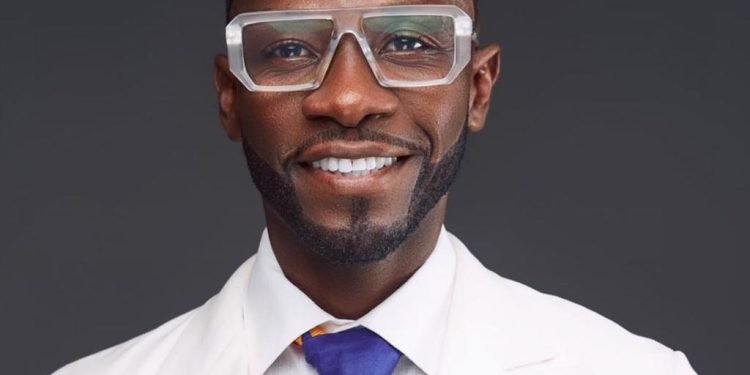
Veteran Ghanaian rapper Okyeame Kwame has shared a sobering account of the challenges associated with organising solo stadium concerts, recalling how a poorly attended show by legendary highlife musician K.K. Kabobo reportedly dealt a major blow to his career.
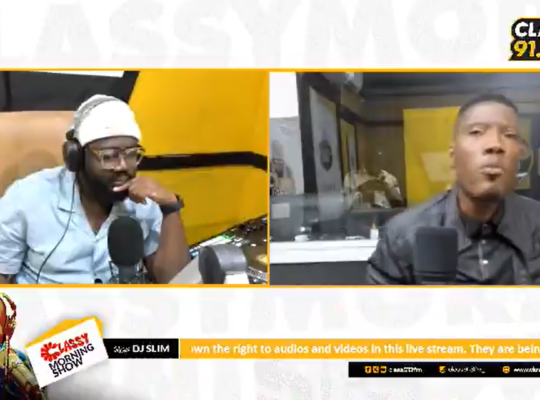
The rapper, popularly known as the Rap Doctor, made the revelation during a media appearance while reflecting on the evolution of Ghana’s live music industry and the risks artistes face when attempting to headline large-scale concerts independently.
According to Okyeame Kwame, the late highlife musician once enjoyed considerable popularity but suffered a major setback after attempting to stage a solo concert at the Accra Sports Stadium.
Okyeame Kwame Recalls KK Kabobo’s Stadium Show
Reflecting on the challenges of attracting audiences to solo concerts, Okyeame Kwame explained that staging a stadium event was a particularly risky undertaking during the early days of the hiplife movement.
He recalled how K.K. Kabobo, who had become a popular name in Ghanaian music, attempted to capitalise on his success by organising a solo show at the Accra Sports Stadium.
However, according to the rapper, the concert failed to attract the expected audience, with consequences he described as devastating for the highlife musician’s career.
“An artiste blew big in our time, KK Kabobo, and he took the Accra Sports Stadium to stage a show because he had become a huge hit, but no one showed up. That is how KK Kabobo’s career ended, and he was never able to pick it up. Stadium shows are not easy. Any artiste who is able to perform in a stadium needs to be saluted,” Okyeame Kwame stated.
His recollection highlights the financial and reputational risks that can accompany major concert productions, particularly when an artiste relies entirely on their individual drawing power.
Why Stadium Concerts Deserve Respect
Okyeame Kwame also reflected on how Ghanaian concert culture has changed over the years.
During the early hiplife era, large-scale music events often featured several artistes on the same bill, allowing organisers to attract audiences through multiple performers rather than relying on one headline act.
A solo stadium concert, however, places enormous responsibility on a single artiste to mobilise enough fans to justify the scale and cost of the production.
The rapper believes this makes successful stadium performances a major achievement that should not be taken lightly.
His comments also offer a reminder that popularity, hit songs and media attention do not automatically translate into the ability to fill a large venue.
From KK Kabobo’s Era to Today’s Stadium Headliners
K.K. Kabobo remains part of Ghana’s highlife music history, with songs such as Onyame Ahu and Nyatse Nyatse associated with his musical legacy.
Okyeame Kwame’s recollection provides a contrast between the challenges faced by artistes in earlier generations and the concert culture surrounding some of Ghana’s biggest contemporary stars.
Musicians such as Sarkodie, Shatta Wale and Stonebwoy have built substantial fan bases and demonstrated their ability to attract large audiences to major venues.
While the industry now benefits from digital promotion, social media engagement and more developed ticketing platforms, successfully organising a stadium concert still requires considerable planning, investment and audience loyalty.
For Okyeame Kwame, the lesson from Kabobo’s reported experience is straightforward: filling a stadium as a solo performer is no small achievement, and artistes who manage it deserve genuine recognition.