

|
Getting your Trinity Audio player ready...
|
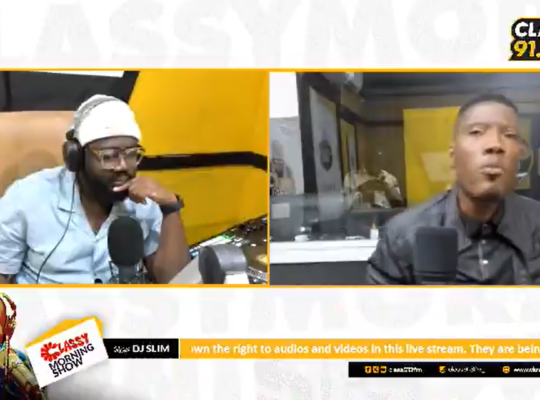
Ghanaian dancehall star Stonebwoy has responded strongly to broadcaster Kwabena Bobie Ansah following comments he believes were disrespectful and unfairly targeted his character.
The BHIM Nation boss took to social media to defend himself, insisting that although he does not always respond to criticism, his silence should not be mistaken for an inability to speak up.
Stonebwoy’s response has reignited conversations about the relationship between Ghanaian musicians and media personalities, particularly the line between professional criticism and personal attacks.
Stonebwoy Explains Why He Sometimes Stays Silent
Addressing the controversy, Stonebwoy made it clear that he reserves the right to respond whenever he believes it is necessary, regardless of who is involved.
The award-winning musician rejected the suggestion that his decision to speak out reflects an inability to control his emotions, explaining that he chooses when to engage rather than responding to every comment directed at him.
“See how this man disrespectfully describes me for no reason. This reply is evidence that I can reply to anyone, anytime and anywhere, instantly, just as I am doing now. I hold nothing in my heart. I speak when I choose to, not when others expect me to,” Stonebwoy wrote.
His comments suggest that, in his view, choosing not to engage in every public disagreement is a matter of personal discretion rather than weakness.
‘I Have Uncles Your Age Whom I Respect’
Despite his strong response, Stonebwoy maintained that he deliberately avoided trading insults with the broadcaster, citing his respect for older people.
The musician argued that he could have responded more aggressively but chose a different approach.
“I could have rained insults on you for attacking my character, like your fav, but it is unnecessary. I chose to be wise; I have uncles your age whom I respect,” he stated.
Stonebwoy’s remarks framed his response as an attempt to defend his reputation without allowing the disagreement to descend into a prolonged exchange of insults.
Stonebwoy Questions the Standards of Public Discourse
Beyond defending his personal character, the musician said his decision to respond was also motivated by concerns about the kind of behaviour media personalities encourage in the public sphere.
“I only replied so that people like you stop glorifying acts that degrade the moral fabric of our nation,” he added.
His statement raises a familiar question in Ghana’s entertainment industry: where should broadcasters draw the line when discussing the conduct and personalities of public figures?
While musicians are subject to public scrutiny, disagreements often arise over whether certain commentary amounts to legitimate criticism or crosses into personal disrespect.
Stonebwoy’s latest response places him firmly in that debate, with the musician making it clear that he is prepared to defend his reputation when he believes the situation demands it.